Department of Biosciences and Bioengineering, IIT Roorkee
About the BIC Lab
s
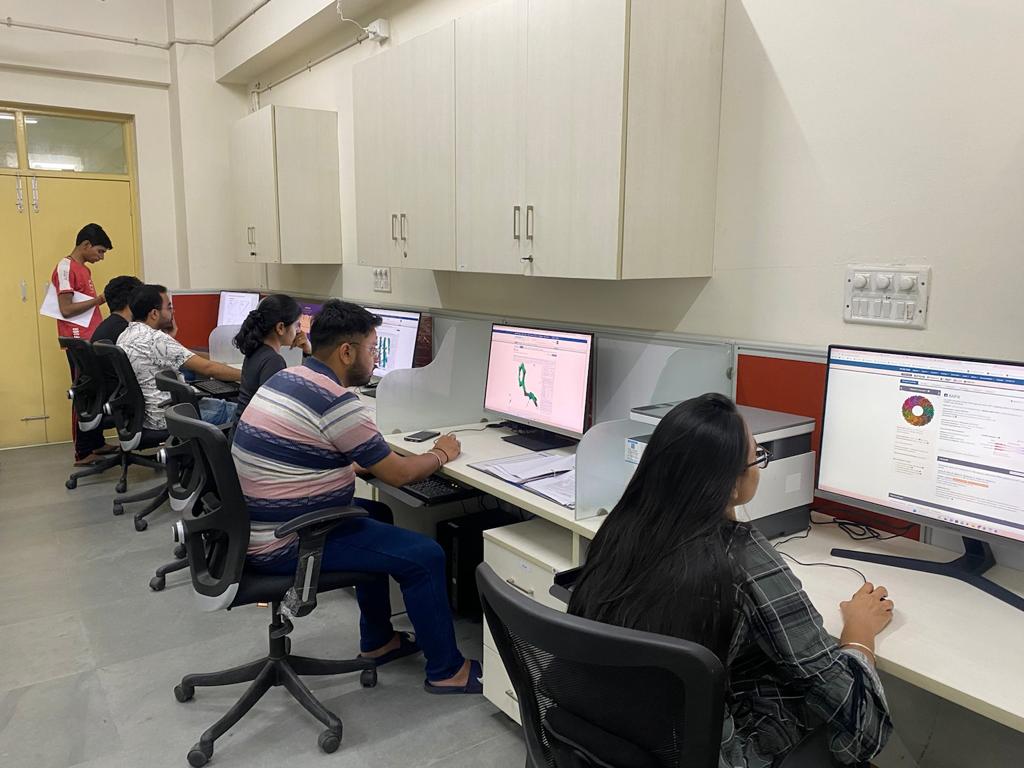
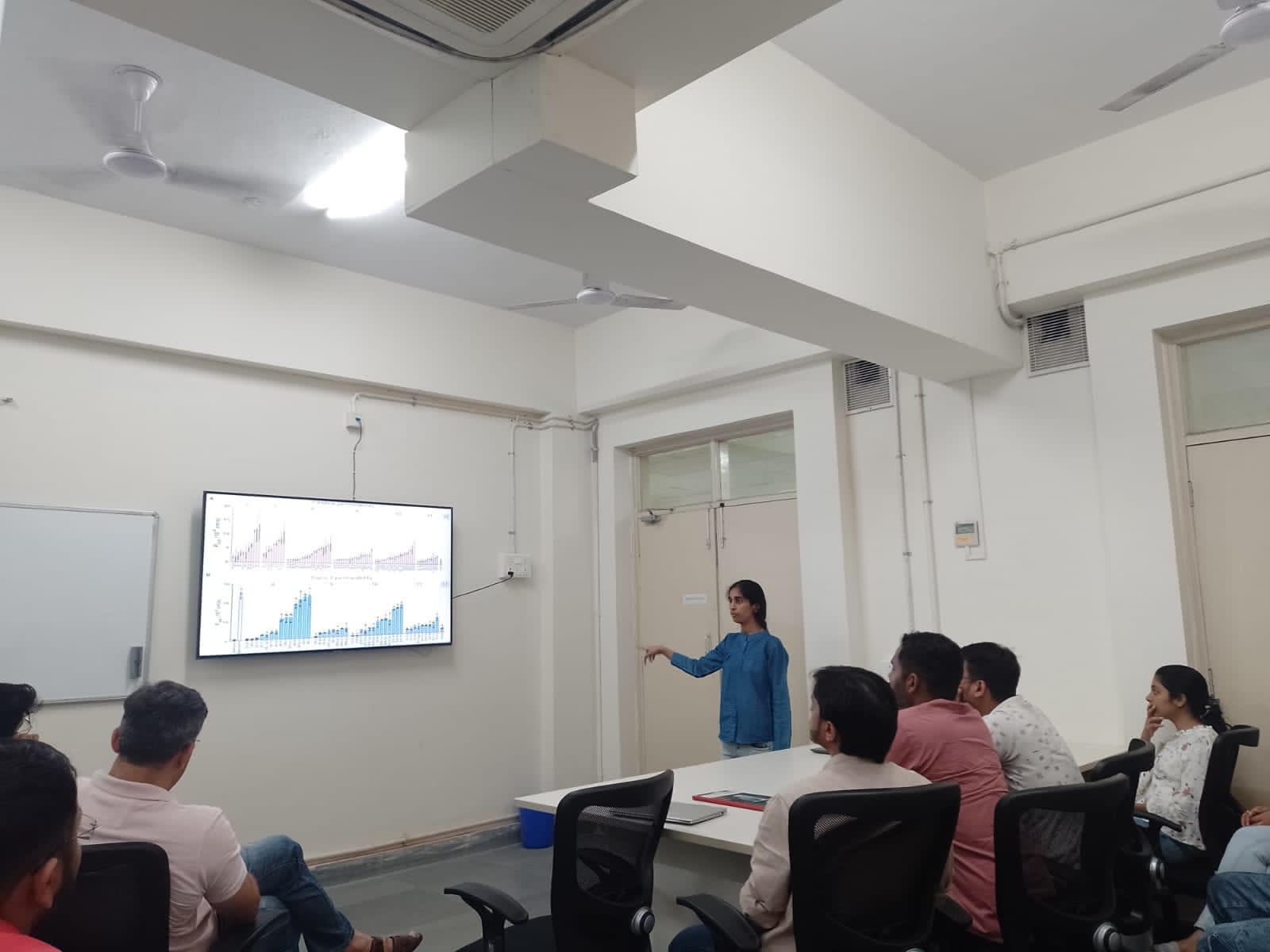
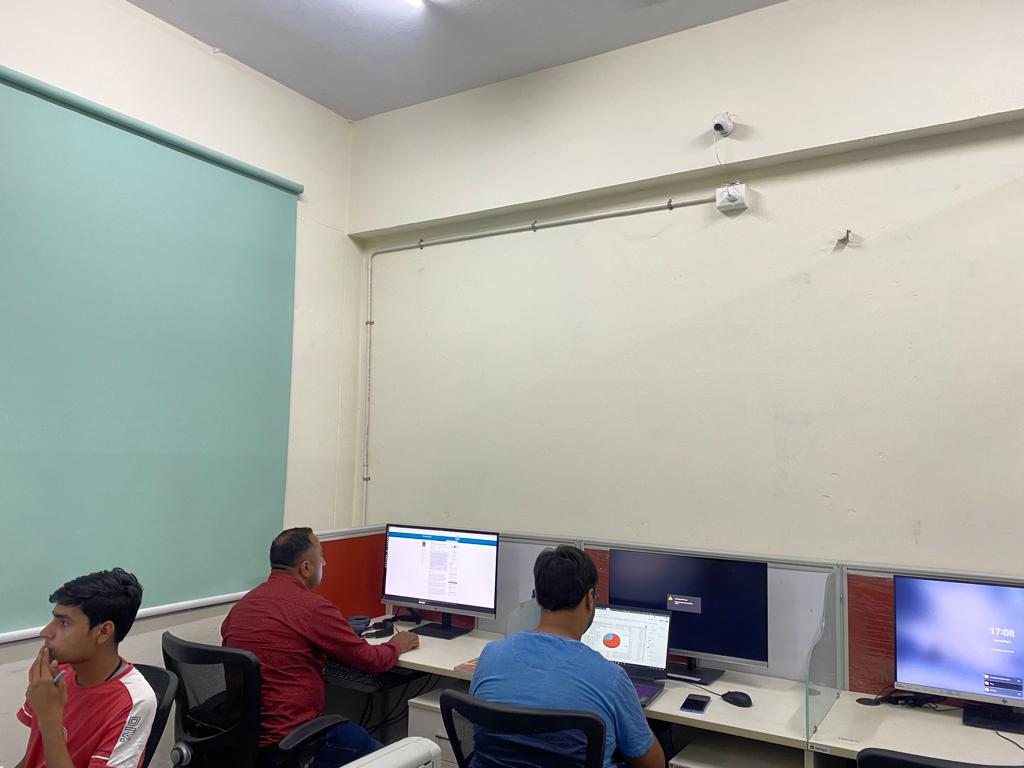
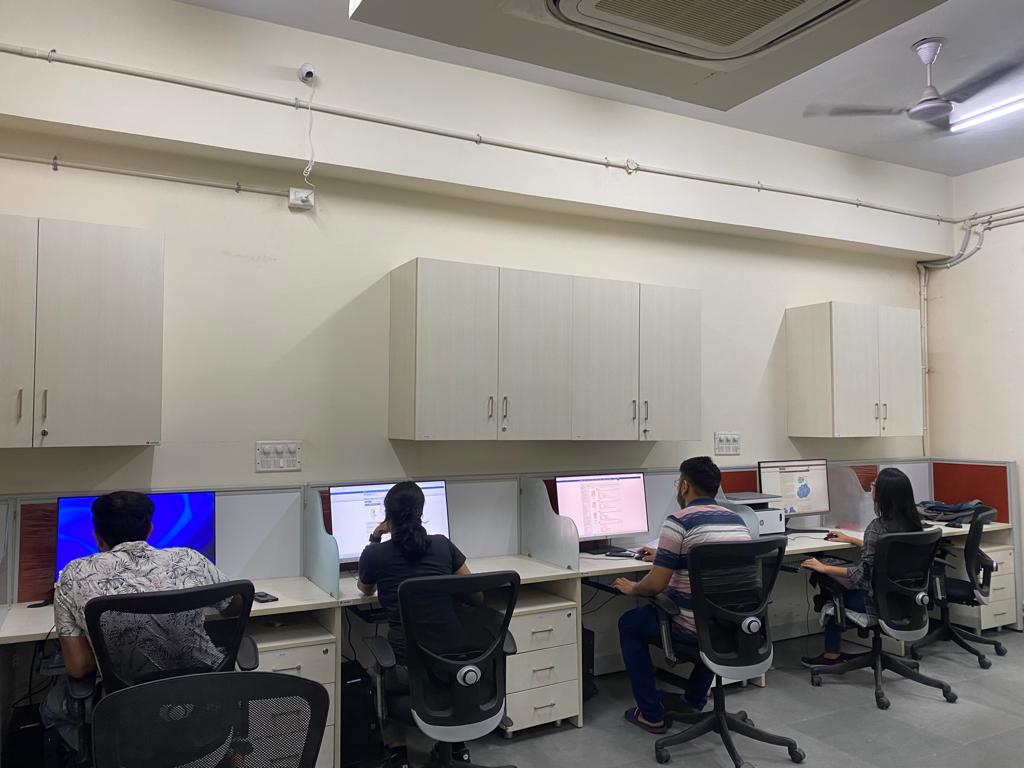
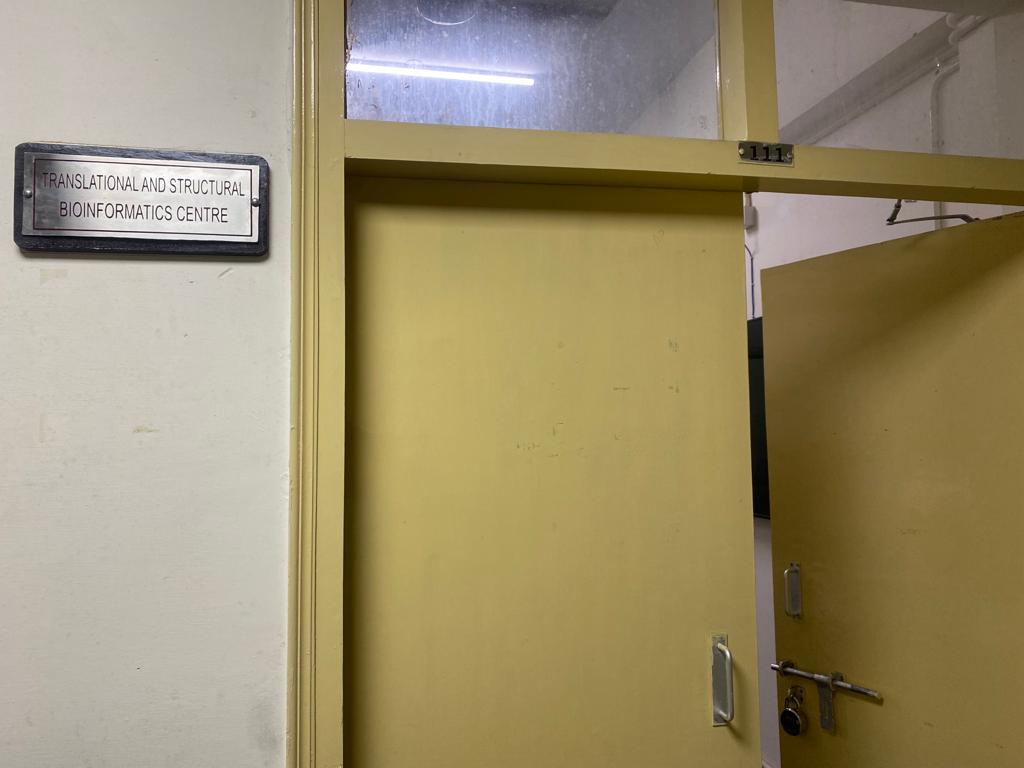
The project entitled “Translational and Structural Bioinformatics” for the establishment of Bioinformatics Center (BIC) at Department of Biotechnology, Indian Institute of Technology, Roorkee is being utilized by the researchers at IIT Roorkee for in-depth in-silico investigation of hypothetical proteins and enzymes which can be utilized in diverse fields for development of drugs and vaccines and technologies related to plastic bio-degradation. Different protein structure determination tools and MD simulation software for performing structural and dynamic studies are being used by the researchers to enhance the research quality. Software for AI-based algorithms for exhaustive analysis and database management system tools are being implemented. This facility is benefiting in research for the development of novel antimicrobial to eradicate antimicrobial resistance. Our group at IIT Roorkee has successfully identified new FDA approved drugs which can potentially combat the coronavirus infections which recently took lives of millions around the globe. This center is immensely benefiting not only our research students but also our bachelor’s and master’s students in gaining effective knowledge about applied bioinformatics.
Project title
Translational and Structural Bioinformatics- BIC at Department of Biotechnology, Indian Institute of Technology Roorke
Main Objectives
Sr. No.
Objectives
01
Development of novel antimicrobial compounds for inhibition of microorganisms.
02
Identification and designing of potent lead molecules for viruses like chikungunya, dengue etc.
03
Development of bioinformatics tools to understand the structural properties of macromolecules.
04
To develop and provide access to various databases of biomolecules in the fields of structure based drug designing
05
Analyzing big data using the approach of Bioinformatics as well as Artificial Intelligence.
06
Study of Protein-protein interactions.
07
Regulatory networks.
08
Study of DNA-protein interactions and calculations of binding energy
09
Studying catalytic mechanism of the enzyme using QM/MM approach.
10
To conduct hand-on training and workshops to make users aware of computational biology and bioinformatics.
11
Protein engineering to enzymes for the bioremediation of a broad spectrum of harmful toxic compounds.
Details of the Investigators:
Principal Investigator (PI)
Prof. Pravindra Kumar Department of Biotechnology IIT Roorkee
Professor Pravindra Kumar is a Pravindra Kumar, Ph.D., Prof. and Head of the Department, Ashok Soota Institute Chair Professor, Fellow of Biotechnology Research Society India, Department of Biosciences and Bioengineering Indian Institute of Technology Roorkee India with expertise in the fields of structural biology, bioinformatics, and biochemistry.
Professor Kumar is renowned for his groundbreaking research on protein-protein interactions, protein engineering, and structure-based drug design, which has contributed significantly to the advancement of these fields.
In addition to his research accomplishments, Professor Kumar has published extensively in top-tier journals and has received numerous awards and accolades for his contributions to the scientific community.
He is also a dedicated educator and mentor, actively guiding and shaping the next generation of scholars in his department through his leadership and mentorship.
Co-Principal Investigator (Co-PI)
Professor Ashwani Kumar Sharma Department of Biotechnology IIT Roorkee
Professor Ashwani Kumar Sharma is a Department of Biosciences and Bioengineering Indian Institute of Technology Roorkee India. His area of interests of Protein Biochemistry, Biophysics and Structural Biolog
Professor Shailly Tomar Department of Biotechnology IIT Roorkee
Prof. Shailly Tomar's research on antivirals has been a critical area of focus in recent years, and significant strides have been made in discovering structure-based antivirals against RNA viruses such as Chikungunya, Dengue, and SARS. This research has paved the way for the development of chimeric virus-like particles (VLPs) for use in vaccine therapy and virus detection, which hold significant promise in the fight against viral infections. Additionally, there has been extensive research into the complex interplay between viruses and host pathways, with a particular focus on virus-host protein-protein interactions and the evasion of innate immune responses.
Another significant area of research has been the structure-based engineering of antiviral peptides and proteins, which has yielded promising results in the development of effective treatments against a range of viral infections. In addition, research has been conducted into the antiviral components of Ayurvedic medicinal plants and Panchgavya, with a view to developing new and effective treatments based on traditional knowledge and practices.
Overall, these areas of research hold great potential for the development of new and effective antiviral treatments, and researchers in this field continue to push the boundaries of what is possible through their groundbreaking work.
Dr. Saugata Hazra Department of Biotechnology IIT Roorkee
Dr. Saugata Hazra is an Associate Professor of Department of Biosciences and Bioengineering Indian Institute of Technology Roorkee India. His involve in studying Antimicrobial Drug Resistance, targeting enzyme beta-lactamase & folate biosynthesis pathway, Structural Biology, Protein crystallography, Structure based drug development, Enzymology, Enzyme kinetics, Biophysical & biochemical studies, Structure-function relationship, Computational Biology, MD simulation, Virtual screening, Macromolecular interactions
Dr. Deepak Sharma Department of Biotechnology IIT Roorkee
Dr. Deepak Sharma is an Assistant Professor of Department of Biosciences and Bioengineering Indian Institute of Technology Roorkee India. His area of interests of Computational Biology, Translational Bioinformatics, Medical Informatics, Machine Learning, Image Analysis, Mobile Apps, Medicinal Plants